Bouncers vs Security Guards for Events
Reviewed by the Operations Team · Last updated Oct 3, 2026
The Short Answer
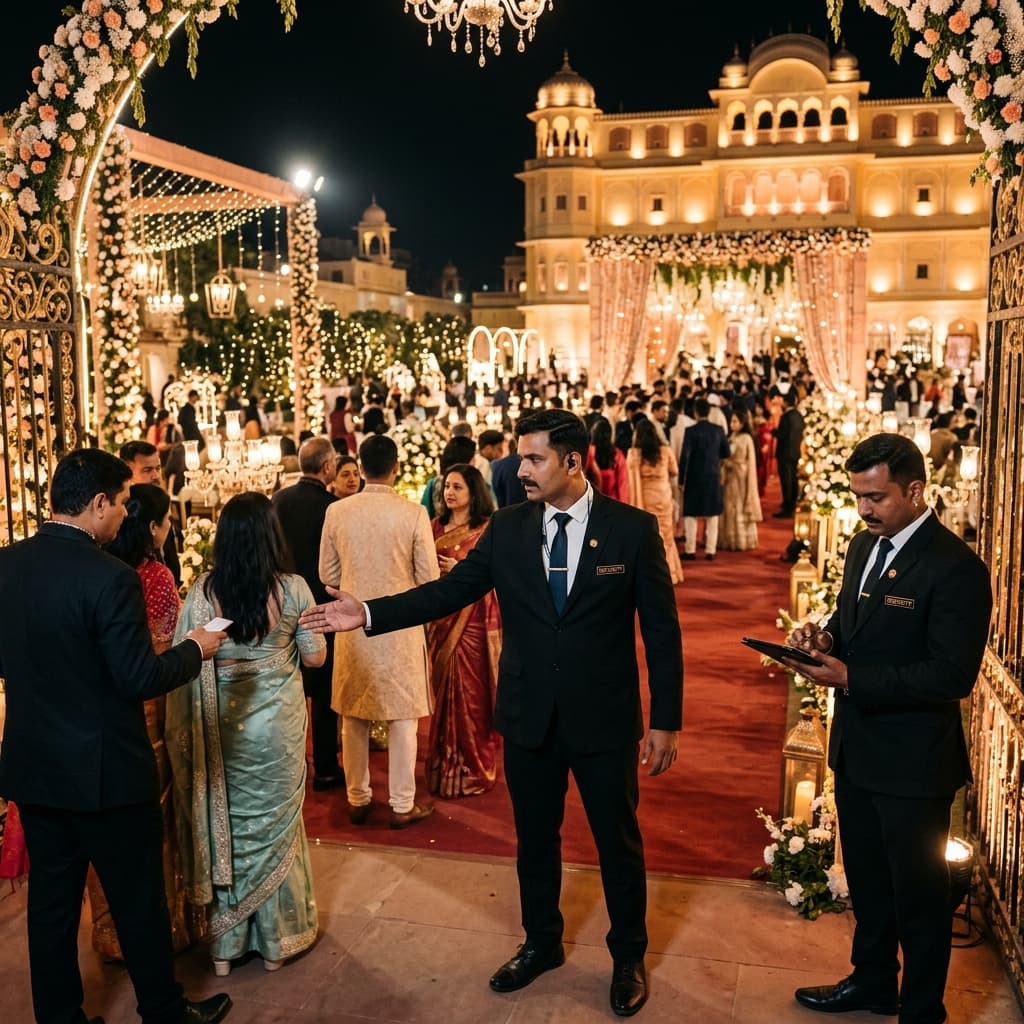
Guards manage systems — entries, guest lists, parking, vendor gates and dispersal. Bouncers manage bodies — door presence, crowd density, stage and VIP proximity, and physical intervention when someone will not comply. Most Lucknow weddings and large events need both: guards for the perimeter and process, bouncers for the pressure points. Hiring only one leaves either the process or the pressure uncovered.
What Event Guards Do
Guest-list desks, invitation and pass verification, tiered entry control (family, guest, vendor), parking and approach-road flow, vendor material checks, gift and asset watch, and end-of-night dispersal. Guards are procedure people — they hold the plan. For a full event deployment method, see /services/event-security.
What Bouncers Do
Door presence at main entries, crowd-density control near stages and buffets, baraat and dance-floor perimeter, backstage and green-room access, and calm physical handling of intoxicated or aggressive guests. Bouncers are presence people — their bearing prevents most trouble before it starts. They should be uniformed, briefed and background-checked like any other deployed personnel, never casual hires.
Bouncers vs Guards Compared
Role | Guards | Bouncers Primary job | Entries, lists, parking, dispersal | Crowd density, door presence, intervention Deployed at | Gates, desks, parking, assets | Stage, VIP proximity, dance floor, bars Skill | Procedure, registers, radio discipline | Crowd reading, de-escalation, physical control When essential | Every function over ~200 guests | High-energy crowds, VIP presence, open bars Hire guards for the plan, bouncers for the pressure — large events need both in one commanded team.
The Team Mix That Works
A 500-guest wedding typically runs guard-heavy at entries and parking with a small bouncer element at the stage and bars; add bouncers as guest energy, VIP movement or open-lawn perimeters grow. One event commander should run both elements on a single radio net — split command between a guard team and a separate bouncer crew is how gaps open. Close-protection needs for family VIPs sit one level above, covered under /services/pso-services.
Sizing the Team From Guest Count
Start with entries: each guest gate needs a desk team, each parking stretch needs traffic hands, and stages, bars and VIP zones each draw bouncer presence. A 200-guest hall function may run lean; a 1,000-guest lawn wedding needs perimeter teams plus dispersal hands; multi-venue baraat functions add movement escorts between sites. Guest energy matters as much as count — a young, late-night crowd needs more presence than a daytime ceremony of the same size. Final sizing always follows a venue walkthrough, never a phone quote.
Briefing and Command on Event Day
Every team member — guard and bouncer alike — should know the venue map, gate tiers, radio call signs, the commander's position and the dispersal sequence before guests arrive. Run a thirty-minute lineup briefing at muster: posts assigned by name, escalation ladder stated, emergency exits walked. During the function, one commander holds the net; post-function, the same team runs dispersal until the last vehicle leaves. Teams that brief together perform together.
What to Ask Before Booking
Ask for the team breakup by post, the commander's name and experience, whether bouncers are background-checked employees or casual hires, how relievers and meal rotations work through long functions, and what the dispersal plan covers. Get the venue walkthrough date in writing. Any event vendor who quotes team size without seeing the venue is guessing — and you will pay for the guess on event night.
After the Event: Review and Records
Good event teams debrief: what choked, what flowed, which gate needed more hands, how dispersal timed against plan. Keep the guest-list desk records, incident notes and asset handover receipts filed for at least one season — hosts ask follow-up questions weeks later, and venues dispute damage claims without records. Share a short thank-you summary with the host covering attendance handled, incidents managed and timings met; it converts one function into the next booking. The team that documents its success gets hired for the family's next event.
Day vs Night Events
Daytime ceremonies run on procedure — lists, tiers and parking. Night functions add energy, intoxication and fatigue, which is where bouncer presence earns its fee. Never staff a late-night event with a team that has worked since morning setup; rotate fresh hands for the night window. Tired teams make slow decisions at exactly the hour crowds peak.
Key Takeaways
One: guards hold procedure, bouncers hold pressure points. Two: weddings over ~200 guests usually need guards; add bouncers for energy, VIPs and open perimeters. Three: one commander, one radio net, one plan. Four: brief and verify bouncers exactly like guards — no casual hires at the door.
This briefing is brought to you by Defensary Alpha Security Services — Lucknow's premier security agency.
Need Expert Security Advice?
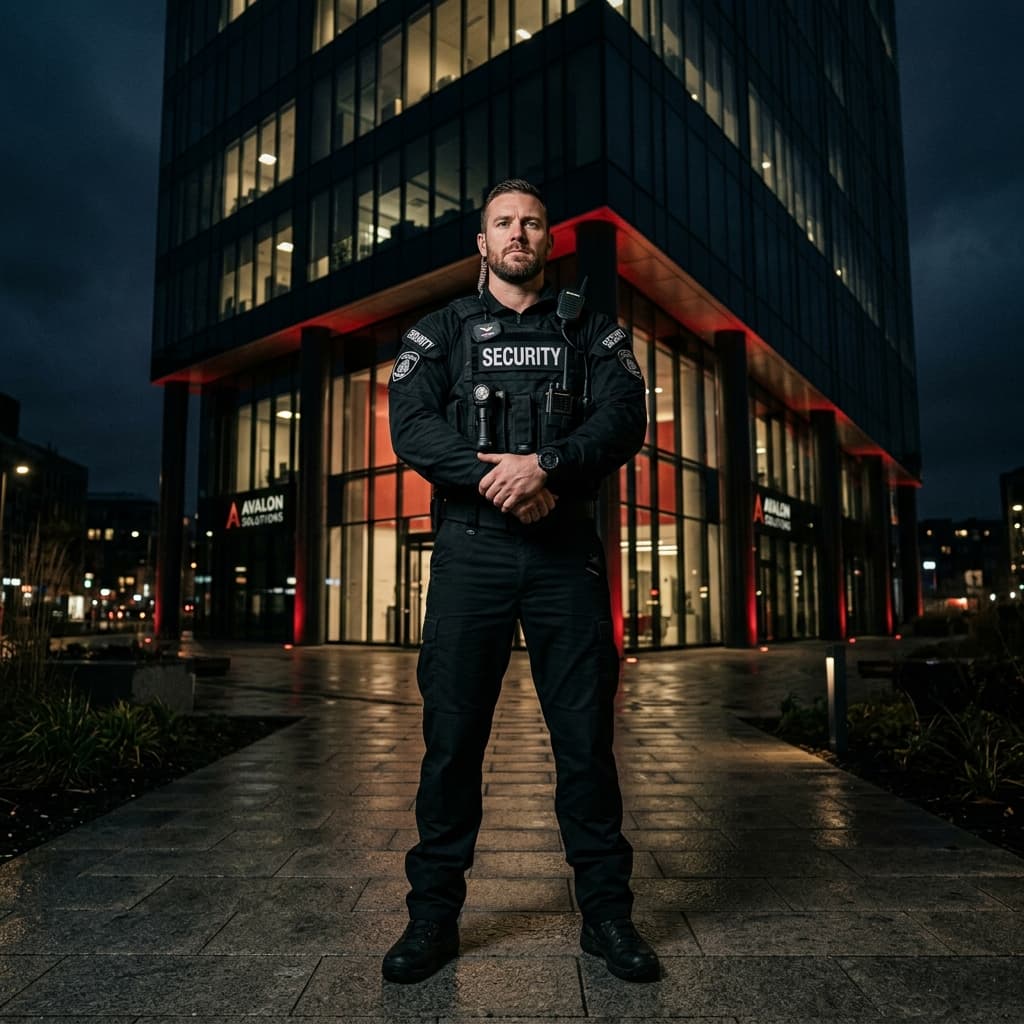
Contact Defensary Alpha for a free consultation and security assessment tailored to your needs.
Schedule Consultation